AI in art Product Development: A Comprehensive Guide for Success
AI在智能产品开发中的应用日益广泛,通过机器学习、自然语言处理和计算机视觉等技术,AI正在重塑产品开发的流程和质量,从设计到测试,AI技术能够优化用户体验、预测市场趋势并提升效率,AI的快速发展也带来了数据质量和计算资源的挑战,为了应对这些挑战,开发者需要持续学习和创新,通过自动化和自动化工具提升效率并确保可靠性和安全性,AI在智能产品中的应用前景广阔,为行业注入新的活力。
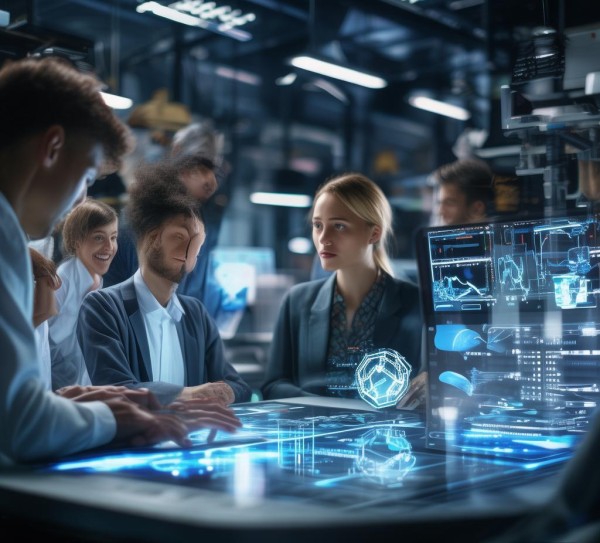
In an era where technology is constantly evolving, the concept of art products has become a cornerstone in modern product development. From art home devices to personalized entertainment systems, these products leverage artificial intelligence (AI) to enhance user experiences, optimize efficiency, and provide innovative solutions. As technology continues to advance, the demand for art product development is growing, making it an essential area of focus for businesses and individuals alike.
The Process of Developing art Products
The development of art products involves a series of steps that require careful planning and execution. Below is a comprehensive guide to the key stages involved in the intelligent product development process:
- Requirements Gathering and ysis
- Define User Needs: Begin by understanding the diverse needs and preferences of the target audience. This involves conducting user interviews, surveys, and yzing market trends.
- Identify Key Requirements: Through requirement gathering, identify specific features, functionalities, and constraints that the product must meet. This step ensures alignment with user expectations and business objectives.
System Design and Architecture
- Design the User Interface (UI): Create a user-friendly interface that is intuitive and easy to navigate. This interface should provide a seamless experience for users and facilitate quick navigation to essential features.
- Develop the Algorithm: Build the core functionality of the product. This may include machine learning algorithms, natural language processing (NLP), or other AI-powered features. The design should be scalable and robust, ensuring the product can adapt to changing user needs over time.
Development
- Code Development: Implement the designed functionality using programming languages such as Python, Java, or C++. This step involves writing code that meets the product requirements and adheres to best practices for software development.
- Testing: Conduct thorough testing to ensure the product meets the defined requirements and functions as intended. This includes unit testing, integration testing, performance testing, and user acceptance testing (UAT).
Deployment and Distribution
- Launch the Product: Once the product is developed and tested, distribute it to end-users. This may involve manufacturing, distribution, or online sales platforms, depending on the market and distribution channels available.
- Maintain and Update: After launch, continuously monitor the performance of the product and make necessary adjustments. This may involve updating the API, retraining machine learning models, or addressing any security vulnerabilities.
Challenges in art Product Development
Despite its potential, the development of art products comes with several challenges that must be addressed to ensure success. These include:
- Non-Linear and Unpredictable AI Capabilities: AI systems are not always linear or predictable, making it challenging to anticipate their behavior and design products accordingly.
- System Compatibility and Interoperability: Ensuring that AI components work seamlessly with existing systems and technologies is crucial. Misalignment between AI systems and other components can lead to inefficiencies and errors.
- Regulatory and Compliance Issues: Products developed using AI may need to comply with various regulations, such as GDPR, HIPAA, or other data protection laws. Failing to meet these requirements can lead to legal and financial repercussions.
Future Trends in art Product Development
Looking ahead, the art product development field is poised for significant growth, with several promising trends emerging:
- Integration of AI with IoT: The integration of AI with the Internet of Things (IoT) will enable arter devices that can monitor and respond to environmental conditions in real-time. For example, art cameras, art thermostats, and art traffic lights will become more prevalent.
- Personalized Services: AI-powered personalized services will allow users to receive tailored recommendations, based on their preferences, behavior, and preferences. This can be seen in recommendation systems, chatbots, and content delivery networks (CDNs).
- Automation and Predictive Maintenance: The use of AI in predictive maintenance will help businesses avoid unplanned maintenance and failures. For instance, AI can yze historical data to predict when equipment will need repairs, reducing downtime and operational costs.
- Edge Computing and Real-Time Processing: The shift towards edge computing will enable AI to operate closer to the user, reducing latency and bandwidth requirements. This will allow for real-time data processing and decision-making, which is crucial for applications such as autonomous vehicles and art healthcare.
Conclusion
The development of art products is a multifaceted endeavor that requires a deep understanding of AI, technology, and business practices. By following a structured approach to the development process and addressing the challenges associated with AI, businesses and individuals can unlock the full potential of art products. As technology continues to evolve, the art product development field will remain dynamic and innovative, offering endless possibilities for creativity and productivity.
The future of art product development lies in the intersection of AI, technology, and user-centric design. By embracing these trends and continuously innovating, we can create products that not only enhance user experience but also drive business growth and societal impact. Together, let’s build the future where art products are at the forefront of innovation and provide an unprecedented level of value to everyone.
Conclusion
The development of art products is a multifaceted endeavor that requires a deep understanding of AI, technology, and business practices. By following a structured approach to the development process and addressing the challenges associated with AI, businesses and individuals can unlock the full potential of art products. As technology continues to evolve, the art product development field will remain dynamic and innovative, offering endless possibilities for creativity and productivity.
The future of art product development lies in the intersection of AI, technology, and user-centric design. By embracing these trends and continuously innovating, we can create products that not only enhance user experience but also drive business growth and societal impact. Together, let’s build the future where art products are at the forefront of innovation and provide an unprecedented level of value to everyone.